Mary Berry’s Malay Fried Rice is a delightful twist on a classic Southeast Asian staple. Malay Fried Rice-known locally as Nasi Goreng-is a beloved dish across Malaysia and neighboring countries, known for its aromatic spices, vibrant colors, and satisfying textures. This dish takes humble ingredients like leftover rice, fresh vegetables, and a medley of spices, transforming them into a symphony of flavor with the addition of fragrant lemongrass, turmeric, and a hint of chili heat.
Mary Berry, the celebrated British culinary icon, brings her signature approachable style to this traditional recipe, making it accessible to home cooks around the world. Her version balances authenticity with simplicity, ensuring that even those unfamiliar with Malaysian cuisine can create a dish that bursts with complexity and warmth.
What makes Mary’s Malay Fried Rice stand out is the careful layering of flavors and textures-each grain of rice is perfectly coated in spices, punctuated by tender pieces of chicken or prawns, crunchy vegetables, and the occasional fried egg on top. The result is a dish that is both comforting and exciting, a perfect meal to enjoy any day of the week.
Mary Berry’s Malay Fried Rice Recipe
Ingredients Needed
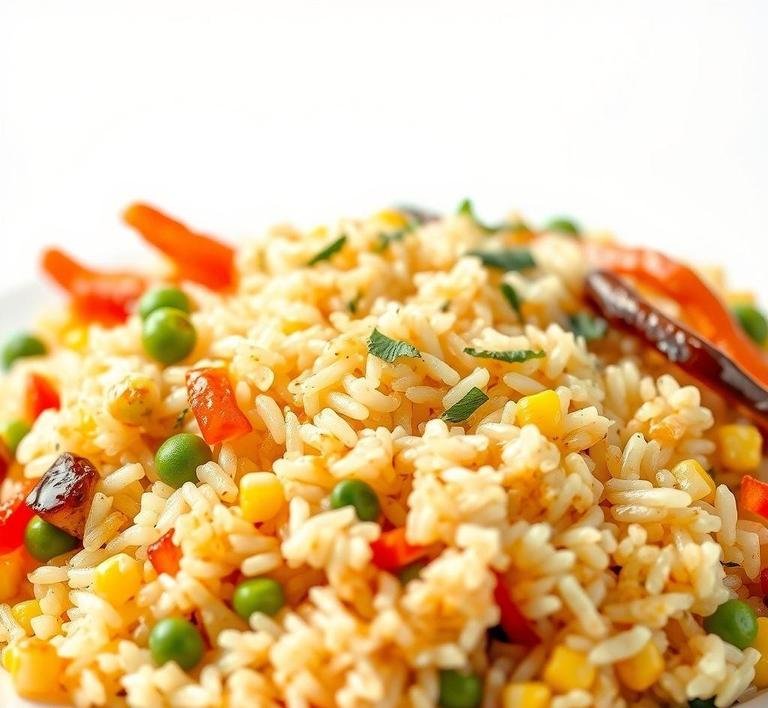
To capture the essence of Mary Berry’s Malay Fried Rice, you’ll need a harmonious blend of fresh ingredients and pantry staples. Here’s a detailed list:
- Cooked long-grain rice (preferably leftover rice chilled overnight for the best texture)
- Chicken breast or thigh pieces (alternatively, prawns or tofu for a vegetarian twist)
- Fresh vegetables such as diced carrots, peas, bell peppers, and spring onions for crunch and color
- Aromatics: finely chopped garlic, shallots, and ginger-the foundational flavors in Malay cooking
- Spices: turmeric powder (for that golden hue and subtle earthiness), chili powder or fresh chilies (for a gentle heat), and a hint of coriander powder
- Lemongrass stalks (bruised or finely chopped for that citrusy fragrance)
- Soy sauce and kecap manis (sweet soy sauce) for depth and sweetness
- Oyster sauce to add umami richness
- Eggs (to fry and serve on top or mix in)
- Cooking oil (preferably vegetable or peanut oil for a neutral, high-heat option)
- Fresh lime wedges and fresh coriander (cilantro) for garnish and a burst of freshness
Optional but highly recommended: a pinch of belacan (fermented shrimp paste), which adds authentic pungency and complexity, a hallmark of many Malaysian dishes.
Equipment Needed
While the ingredients are key, having the right equipment will help you execute the dish perfectly, ensuring that the flavors meld and the textures are spot on. Here’s what you’ll want on hand:
- A large wok or a heavy-based frying pan: The high heat and ample space allow for quick stir-frying, which is crucial for that characteristic ‘wok hei’-a slightly smoky, charred flavor that elevates the dish.
- A sharp chef’s knife: For finely chopping aromatics and slicing vegetables and meat.
- A wooden spatula or wok spatula: To toss and stir the ingredients efficiently without damaging your pan.
- Measuring spoons: To get your spice quantities just right.
- A mixing bowl: For lightly beating eggs or marinating chicken if you choose.
- A fine grater or garlic press: For releasing the intense flavors of garlic and ginger.
- Serving plates or bowls: To present your beautiful creation, ideally wide and shallow to show off the colors and textures.
Instructions To Make Mary Berry’s Malay Fried Rice
Let’s walk through the process, step by step, with enough detail to guide you even if you’re new to frying rice Malay-style:
- Prepare the rice: Ideally, use rice cooked the day before and refrigerated. This helps the grains dry out slightly and prevents clumping, which is essential for perfect fried rice.
- Marinate the protein: If using chicken, toss the pieces in a bit of soy sauce, turmeric, and a pinch of salt. Set aside while you prep the other ingredients.
- Prepare aromatics and vegetables: Finely chop garlic, shallots, ginger, and lemongrass. Dice carrots, slice bell peppers, and chop spring onions.
- Heat your wok: Add a generous splash of oil and heat until shimmering. Add the marinated chicken or prawns and stir-fry quickly until nearly cooked through. Remove and set aside.
- Sauté aromatics: In the same wok, add a little more oil if needed and toss in the garlic, shallots, ginger, and lemongrass. Stir constantly, letting the aromas bloom without burning.
- Add spices: Sprinkle in turmeric, chili powder, and coriander. Stir for a few seconds to toast the spices and bring out their full flavor.
- Add vegetables: Toss in carrots, peas, and bell peppers. Stir-fry until just tender but still crisp.
- Return the protein: Add your cooked chicken or prawns back to the wok, mixing thoroughly.
- Add rice: Break up any clumps and add the rice to the wok, stirring to coat every grain in the fragrant spice mixture.
- Season: Drizzle in soy sauce, kecap manis, and oyster sauce. Stir-fry vigorously to combine all flavors evenly.
- Cook the eggs: In a separate pan, fry eggs sunny side up or scramble them and mix through the rice for extra richness.
- Final touches: Turn off the heat and toss in chopped spring onions and fresh coriander.
- Serve: Plate your Malay Fried Rice with a wedge of lime on the side to squeeze over just before eating.
Tips And Tricks
- Use day-old rice: This cannot be overstated. Freshly cooked rice is too soft and sticky for fried rice, while cold rice from the fridge fries up beautifully.
- Prep everything before cooking: Stir-frying is a quick process, so have all your ingredients chopped and ready to go.
- Don’t overcrowd the wok: If necessary, fry ingredients in batches. Overcrowding lowers the heat and causes steaming rather than frying.
- Adjust the spice level: Malay food can be spicy, but you can always tone down or amp up the chili depending on your taste.
- Experiment with proteins: Chicken, prawns, tofu, or even leftover roasted meats work beautifully.
- Add a splash of toasted sesame oil at the end: It adds a subtle nuttiness that complements the spices perfectly.
- Serve with extra fresh herbs and lime: They brighten the dish and add freshness to every bite.
Mary Berry’s Malay Fried Rice is more than just a meal-it’s a journey into the heart of Malaysian culinary traditions with the comfort and accessibility of a home-cooked British classic. The recipe balances bold spices and fresh ingredients to create a dish that’s both exciting and deeply satisfying. Whether you’re cooking for a quick weeknight dinner or impressing guests with a taste of Southeast Asia, this Malay Fried Rice recipe is sure to become a beloved favorite. With Mary’s straightforward guidance, you’ll master the art of fried rice that’s fragrant, colorful, and packed with layers of flavor. So, get your wok ready, gather your ingredients, and enjoy the delicious adventure of making this vibrant dish!
Easy Recipe Variations For Mary Berry’s Malay Fried Rice
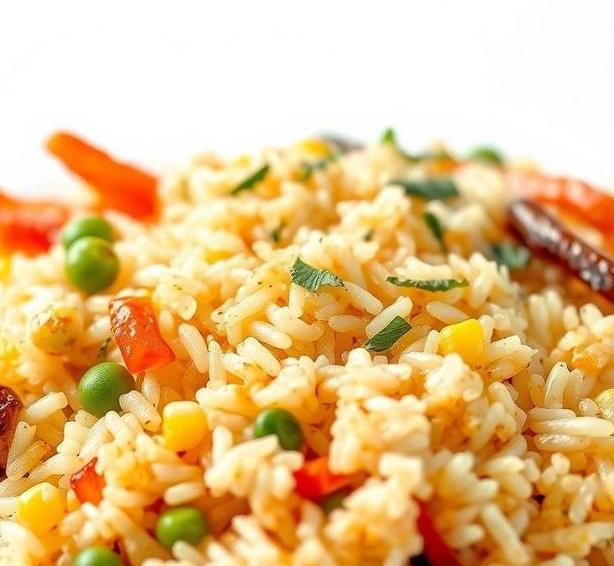
Mary Berry’s Malay Fried Rice is already a flavorful, aromatic dish that beautifully combines spices, textures, and vibrant ingredients. But what makes a great recipe even better? Personalizing it with easy variations to suit different tastes, dietary needs, or just to keep things exciting!
One simple variation is adding protein. The original recipe often includes chicken or prawns, but you can swap in tofu or tempeh for a vegetarian or vegan twist. For a meaty boost, shredded roast chicken or thin slices of beef marinated in soy sauce and garlic can elevate the depth of flavor. Want something even heartier? Adding a fried egg on top, with a runny yolk that melds into the rice, can add richness and texture.
Another great variation focuses on the vegetable spectrum. While traditional Malay fried rice often features shallots, garlic, and sometimes carrots and peas, you can experiment by tossing in chopped bell peppers, baby corn, or even pineapple chunks for a sweet-savory contrast. For a green boost, finely chopped bok choy or spinach folded in at the last minute adds freshness and color.
The spice level is also flexible. Mary Berry’s original strikes a perfect balance, but if you like heat, try adding fresh sliced chili or a spoonful of sambal oelek for that authentic Malay kick. Alternatively, for a milder palate, use roasted paprika or smoked chili powder for warmth without overwhelming the dish.
And for a fragrant twist, consider incorporating aromatic herbs and spices like kaffir lime leaves, a dash of cinnamon, or even a hint of star anise during the cooking process. These subtle infusions can transform the rice into an even more complex, fragrant experience reminiscent of Southeast Asian street food.
Finally, experiment with the type of rice itself. Traditionally, jasmine rice is used for its fragrant aroma and slightly sticky texture. However, brown rice or basmati can offer different textures and nutritional profiles, giving the dish a unique twist and even making it a bit healthier.
Storing Leftovers
Leftovers of Mary Berry’s Malay Fried Rice? Oh, that’s a blessing! But to keep the flavors vibrant and the textures intact, proper storage is key.
First, let the rice cool down to room temperature within two hours of cooking. This prevents bacterial growth, which can spoil the dish or cause foodborne illnesses. To cool it quickly, spread the rice out on a shallow tray or plate to allow air circulation.
Once cooled, store the fried rice in an airtight container to prevent it from drying out or absorbing odors from other foods in the fridge. Ideally, keep it refrigerated at or below 4°C (39°F).
For best taste and safety, consume the leftovers within 2 to 3 days. When reheating, it’s important to heat the rice thoroughly to steaming hot all the way through, either in a microwave or on the stovetop with a splash of water or broth to prevent drying out. Stir frequently to ensure even heating.
If you want to store it for longer, freezing is a great option. Portion the fried rice into freezer-safe containers or resealable bags, removing as much air as possible to avoid freezer burn. Frozen fried rice can last up to 2 months without significant loss of quality. When ready to eat, thaw in the refrigerator overnight and reheat gently to preserve the texture and flavor.
What To Eat With Mary Berry’s Malay Fried Rice?
Malay fried rice is a versatile dish that shines as a main or a flavorful side. Pairing it with complementary dishes enhances the meal experience and brings out the best in its spices and textures.
Start with fresh accompaniments like a crisp cucumber and carrot salad dressed with lime juice and a pinch of sugar. The cool crunch and tang cut through the rich, savory rice perfectly, balancing the palate.
For protein, consider classic Malaysian sides such as satay skewers – marinated grilled chicken or beef served with a creamy, spicy peanut sauce. The nutty richness of satay pairs beautifully with the fragrant spices in the fried rice.
Alternatively, a simple fried or boiled egg served sunny-side up on top can add luscious texture and richness. Or, for a seafood touch, lightly fried calamari or prawn crackers add crunch and a hint of the ocean’s freshness.
On the vegetable front, a stir-fried bok choy or green beans with garlic brings a vibrant color and an earthy, slightly bitter note to complement the mild sweetness and spices of the rice.
For a truly Malaysian experience, add a spoonful of sambal – a fiery chili paste – on the side for an extra punch of heat and complexity.
Finally, round off the meal with a refreshing drink like iced teh tarik (pulled tea) or a lime soda, which cleanse the palate and keep the meal lively and enjoyable.
Conclusion
Mary Berry’s Malay Fried Rice is more than just a dish – it’s a delightful culinary journey that brings together the warmth of aromatic spices, the comfort of fluffy rice, and the vibrant character of Southeast Asian flavors. Its adaptability invites endless variations, making it easy to customize whether you want it spicy, mild, vegetarian, or packed with protein.
Storing leftovers properly ensures that you can enjoy its goodness even days after cooking, while the thoughtful pairings elevate the meal into a feast that tantalizes all senses. Whether you’re a seasoned cook or a curious food lover, this recipe offers both simplicity and depth, inviting you to explore and savor each bite.
So, next time you make Mary Berry’s Malay Fried Rice, remember: it’s not just a meal-it’s an experience that celebrates flavor, culture, and the joy of cooking.
FAQs
What Are The Key Ingredients For Mary Berry’s Malay Fried Rice?
The key ingredients for Mary Berry’s Malay Fried Rice include basmati rice, cooked chicken, prawns, spring onions, egg, and a mix of vegetables like peas and carrots. The dish is seasoned with soy sauce, curry powder, and other spices like garlic and ginger for a balanced, aromatic flavor. These ingredients give the dish its characteristic fragrance and rich taste.
How Do I Prepare The Rice For Mary Berry’s Malay Fried Rice?
For the best results, it is recommended to use cold, day-old basmati rice for Mary Berry’s Malay Fried Rice. This ensures that the rice grains remain separate and don’t become mushy when stir-fried. If you’re using fresh rice, spread it out on a tray to cool before using it in the recipe to help prevent clumping.
Can I Make Any Substitutions In Mary Berry’s Malay Fried Rice Recipe?
Yes, you can modify the recipe based on what you have available or personal preferences. For instance, if you don’t have chicken, you can substitute it with tofu or another protein like pork or beef. If you prefer a vegetarian version, you can omit the meat and add extra vegetables or use a vegetarian soy sauce. You can also adjust the level of curry powder to suit your taste or even use a different spice blend like turmeric or cumin for variation.